What is antibiotic resistance?
By Admin - 07 Feb 2022, 15:27 PM 411 0
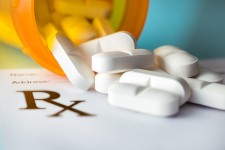
Deterioration of the effectiveness of antibiotics is called antibiotic resistance which is very harmful to us. In this case, even taking medicine does not give good results, because antibiotics can no longer work against germs.
How is antibiotic resistance?
Harmful germs in the body, over what is needed, unnecessarily or above antibiotics, alter their genetic code so that the antibiotic cannot harm it.
There are many kinds of bacteria around us. These infections cause various diseases in the body. Antibiotics are taken to cure. But the effectiveness of antibiotics depends a lot on the method of use. Therefore, awareness is important in this regard.
It is important to inform the doctor about all the information about the body before taking antibiotics. The doctor may ask a lot of questions on his own. Even then the patient needs awareness. Learn a few things.
1. Not an antibiotic for any fever. Never force or request a doctor to prescribe antibiotics. Parents often do this, especially in the case of children. Do not take antibiotics until it is proven that Bacterial infections cause fever.
2. Many people are sensitive to different types of antibiotics. The same antibiotic is life-saving for one; It can be fatal for another. If you are allergic to any medicine, you must inform the doctor. If you have a skin rash, itching, or shortness of breath. If necessary, you can also stop the medicine.
3. Many antibiotics are contraindicated in pregnancy. This can be dangerous. So it is important to inform the doctor about your physical condition.
4. Antibiotic reactions can occur with many drugs. Such birth control pills can also affect the effectiveness of antibiotics. So the doctor must be informed.
5. Find out how many hours and how many days the medicine should be taken. You have to take medicine for that time. Antibiotics are usually prescribed for eight or six consecutive hours instead of three or four times a day. If you forget to take one dose, do not take the next dose.
6. The body may feel better before the end of the full course of antibiotics. But you can't be satisfied and stop taking antibiotics. You have to finish the whole course. Otherwise, the germs may not be destroyed.
7. Never take antibiotics based on information that someone else has cured a sore throat by taking an antibiotic. The idea that the cough that was cured by taking antibiotics before will be cured by taking it again is wrong. It is also not good to take antibiotics leftover from the previous time.
8. Antibiotic doses should be determined according to the weight of the children. The course of antibiotics for two children of the same age and of different weights may be different. Do not give antibiotics to children without understanding or understanding. Know the level well. Do not use old mouth-opening antibiotic syrups or suspensions again. Learn the exact rules for making suspensions.
9. Physicians need to know the side effects of antibiotics. Some antibiotics cause the urine to turn red, while others cause flatulence. Which can reduce appetite or vomit. Good to know.
10. You have to drink more water after taking some antibiotics. Some foods or alcohol react with some antibiotics. Some antibiotics cannot be taken for kidney or liver problems. So you need to help the doctor with all the information about your body health.
If the antibiotic is not taken properly, the antibiotic does not work well in the person's body later on or the antibiotic itself becomes very weak.
So not antibiotics without the advice of a registered physician.
Reference:

 0
0
RECENT POST
-
Causes of a mini stroke or transient ischaemic attack (TIA)?
07 Feb 2022, 15:27 PM
-
When to get medical advice if you had a mini stroke or transient ischaemic attack (TIA)?
07 Feb 2022, 15:27 PM
-
What is a mini stroke or transient ischaemic attack (TIA)?
07 Feb 2022, 15:27 PM
-
How to prevent a stroke?
07 Feb 2022, 15:27 PM
-
How to treat a stroke?
07 Feb 2022, 15:27 PM
-
What is a stroke and its symptoms?
07 Feb 2022, 15:27 PM
-
How to look after yourself at home if you have coronavirus (COVID-19)
07 Feb 2022, 15:27 PM
-
Coronavirus (COVID-19) symptoms in children
07 Feb 2022, 15:27 PM
-
Symptoms of coronavirus (COVID-19)
07 Feb 2022, 15:27 PM